How Car Key Replacement Differs by Brand and Technology
Not all replacement car keys are created equal, and the process varies significantly depending on the manufacturer and the year your vehicle was built. Older domestic vehicles — many pre-2000 GM, Ford, and Chrysler models — use mechanically cut keys with no embedded chip, meaning the replacement process is straightforward cutting from a blank matched to your door or ignition code. From the mid-1990s onward, most manufacturers began integrating transponder chips into the key head. These chips must be programmed to communicate with the vehicle's immobilizer or ECU, or the engine simply will not start even if the physical cut is perfect.
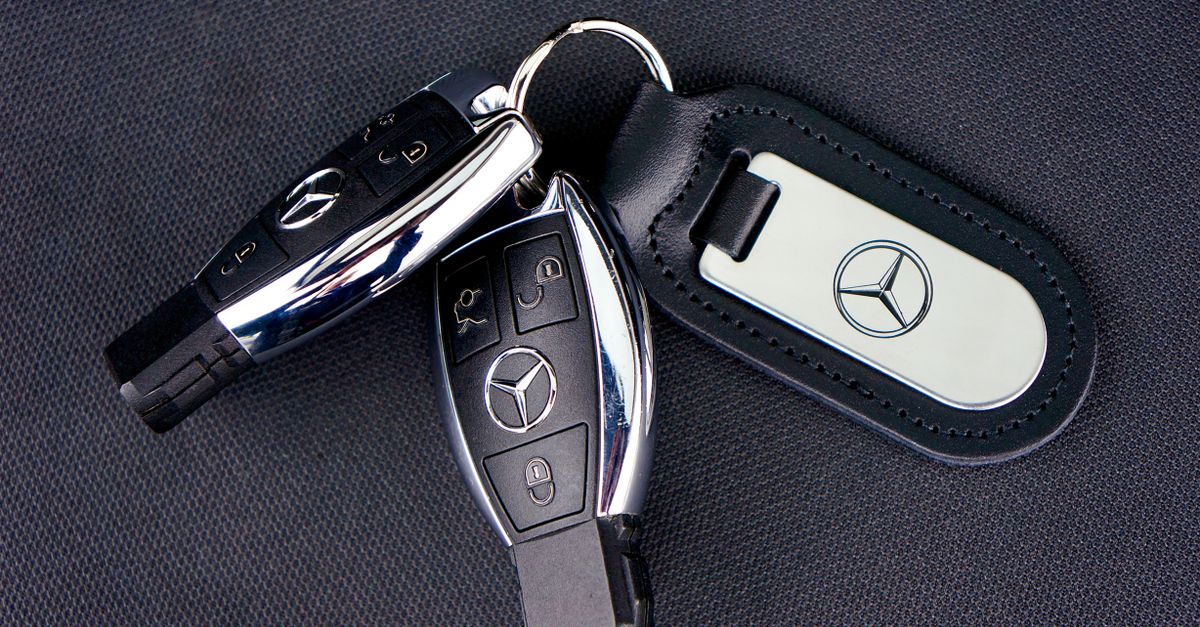
Japanese and Korean brands like Toyota, Honda, Lexus, Kia, and Hyundai tend to use proprietary transponder protocols that require brand-specific software. European manufacturers — BMW, Mercedes-Benz, Volkswagen, Audi — often employ more complex encrypted key systems, including systems where the key must be 'learned' by multiple control modules simultaneously. American brands like Ford and GM have their own PATS (Passive Anti-Theft System) and PassLock protocols respectively. Our experienced technicians are equipped with multi-brand diagnostic and programming tools that handle the most common systems in the Smyrna area's vehicle population, and we stay current with updates as manufacturers push new protocols.