Signs It Is Time for a Door Knob Lock Replacement
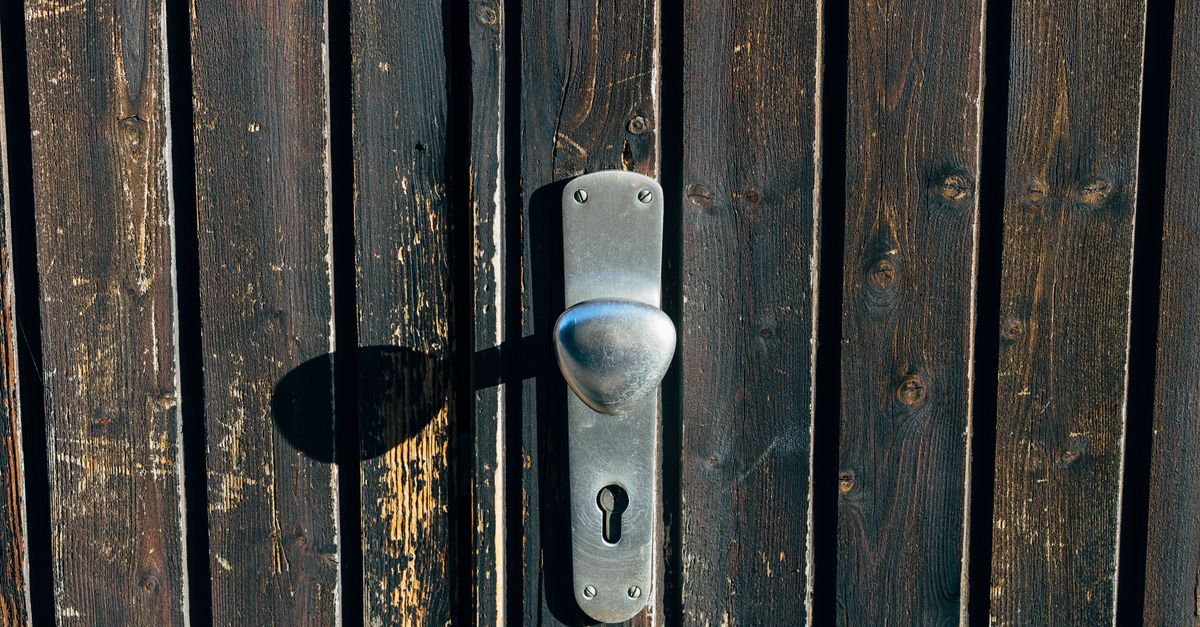
Most knob lock failures announce themselves gradually. The key starts catching before it turns. The latch bolt retracts sluggishly or does not spring back fully. The knob itself develops noticeable side-to-side wobble, which tells you the internal rose or spindle is worn. On older Smyrna properties — particularly the Colonial-era and early 20th-century homes near South du Pont Boulevard — original hardware was never designed to last indefinitely, and years of humidity, salt air drifting up from the Delaware Bay corridor, and heavy daily use accelerate wear significantly.
Interior bedroom and bathroom doors show a different failure pattern: privacy push-button mechanisms stop releasing on demand, or the emergency override slot strips out. Exterior doors present higher stakes. When a keyed knob lock no longer delivers reliable engagement, the entire security posture of the property weakens. Upgrading to a higher-grade door knob with lock and key hardware — or pairing a new knob set with a mortise lock for maximum resistance — is the practical answer, not repeated lubrication of a mechanism that has reached the end of its service life.